
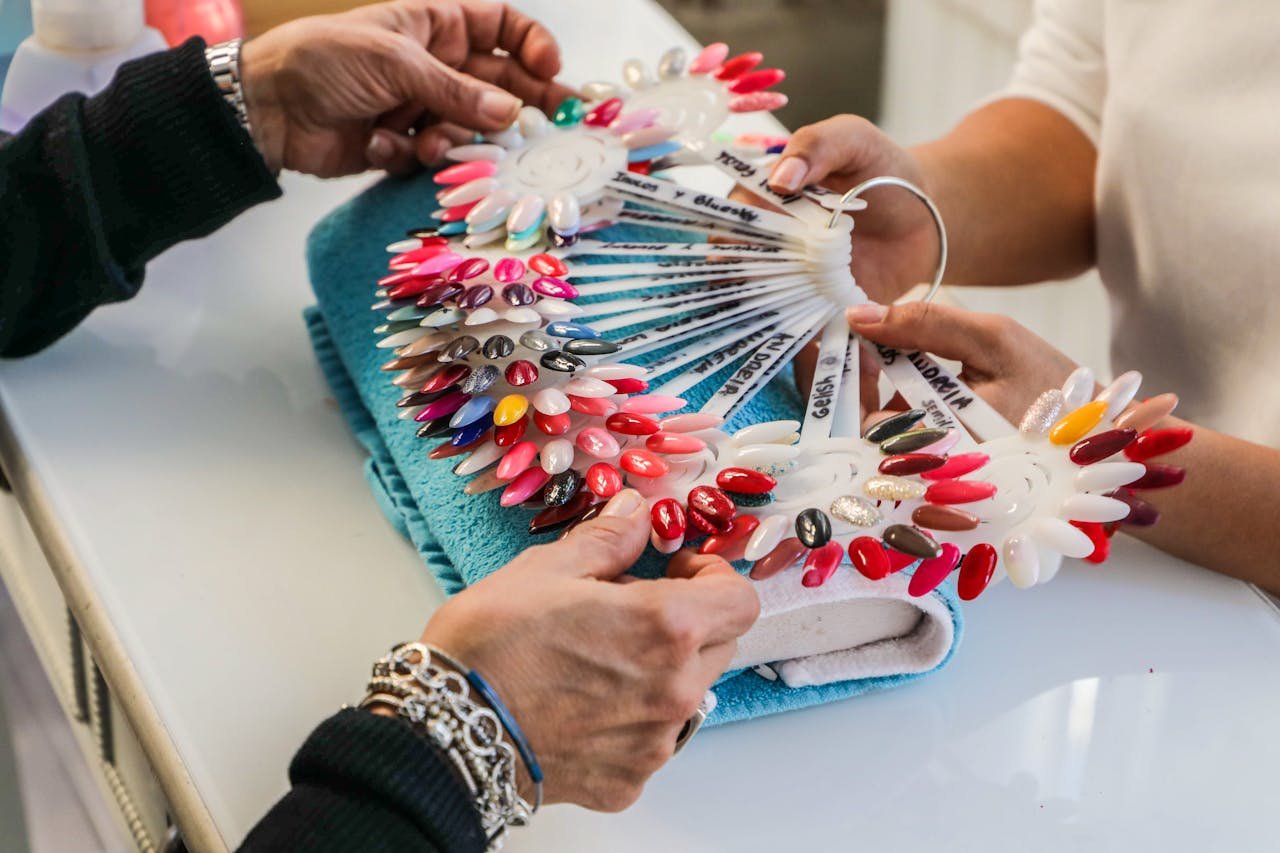
Walk through any beauty store, and you'll find shelves filled with nail strengtheners promising longer, harder, and healthier nails. Some claim to repair damage in days, while others advertise miracle ingredients that supposedly transform weak nails overnight.
The reality is that not all nail strengthening products are created equal. Some formulas contain ingredients that genuinely help protect and improve nail health, while others rely more on marketing than science.
If you've ever wondered which ingredients are actually worth your money, you're not alone. Understanding what goes into a nail strengthener can help you choose products that address your specific concerns, whether you're dealing with brittle nails, peeling, splitting, or damage from gel and acrylic manicures.
The secret is knowing which ingredients support healthy nail growth and which ones simply create a temporary cosmetic effect.
Why Nail Strength Matters
Healthy nails are naturally flexible, smooth, and resilient.
Many people assume strong nails should feel extremely hard, but that is not entirely true. Nails that are too rigid can become brittle and crack more easily.
The healthiest nails maintain a balance between strength and flexibility. They can withstand daily wear without excessive splitting, peeling, or breaking.
When nails become weak, the cause is often linked to moisture loss, environmental damage, harsh chemicals, frequent hand washing, or improper nail care habits.
The right ingredients can help support healthier nails while protecting them from further damage.
Keratin: The Most Important Nail Protein
If there is one ingredient that deserves attention, it is keratin.
Keratin is the primary protein that makes up your nails. It provides structure, durability, and resilience.
Many nail strengthening products contain hydrolyzed keratin, which is broken down into smaller particles that can temporarily help reinforce the nail surface.
While keratin treatments cannot permanently repair damaged nails, they can improve the appearance and feel of weak nails while helping protect new growth.
Products containing keratin are often recommended for people dealing with breakage, peeling, or thinning.
Jojoba Oil: One of the Best Moisturizers for Nails
Many people focus entirely on hardening their nails while ignoring hydration.
In reality, dry nails are often the root cause of brittleness and splitting.
Jojoba oil is widely considered one of the best oils for nail care because its molecular structure closely resembles the skin's natural oils. This allows it to penetrate more effectively than many heavier oils.
Benefits of jojoba oil include:
- Improved nail flexibility
- Reduced brittleness
- Healthier cuticles
- Better moisture retention
Many high-quality nail treatments and cuticle oils include jojoba oil as a key ingredient.
Vitamin E: A Classic Nail Care Ingredient
Vitamin E has been used in beauty products for decades, and for good reason.
It acts as an antioxidant and helps support moisture retention in the skin and nails. Dry, damaged cuticles often benefit from products containing vitamin E.
While vitamin E alone will not dramatically strengthen weak nails, it can play an important supporting role in maintaining overall nail health.
Many nourishing nail oils combine vitamin E with other moisturizing ingredients for maximum benefit.
Biotin: Popular but Often Misunderstood
Biotin is one of the most famous ingredients associated with nail health.
It is a B vitamin that plays a role in keratin production. Many supplements marketed for hair, skin, and nails contain biotin as a primary ingredient.
When used as a supplement, some research suggests biotin may help improve brittle nails in certain individuals.
However, topical biotin products are less likely to produce dramatic results compared to internal supplementation.
Biotin is often included in nail treatments because of its strong association with healthy nail growth.
Calcium: The Most Overhyped Nail Ingredient
Many nail products heavily promote calcium as a strengthening ingredient.
While calcium plays an important role in overall health, it is often misunderstood in nail care marketing.
Contrary to popular belief, weak nails are not usually caused by calcium deficiency.
Some nail treatments use calcium to create a temporary reinforcing effect on the nail surface, but calcium alone is not the miracle solution many advertisements suggest.
This does not mean calcium is useless, but consumers should be cautious of products relying solely on calcium-based marketing claims.
Glycerin: Essential for Moisture Retention
Glycerin is one of the most effective moisturizing ingredients found in beauty products.
It acts as a humectant, meaning it helps attract and retain moisture.
For dry, brittle nails, glycerin can help maintain hydration and reduce the likelihood of cracking and splitting.
Products designed for damaged nails often include glycerin because moisture is critical for maintaining nail flexibility.
Healthy nails require hydration just as much as healthy skin does.
Vitamin B5 (Panthenol)
Panthenol, also known as vitamin B5, is another beneficial ingredient frequently found in nail treatments.
It helps improve moisture retention and can make nails feel smoother and more flexible.
Many strengthening formulas include panthenol because it supports overall nail condition while helping reduce dryness.
Its moisturizing properties make it particularly useful for individuals with peeling nails.
Argan Oil and Sweet Almond Oil
Plant-based oils have become increasingly popular in nail care products.
Argan oil contains fatty acids and antioxidants that help nourish dry nails and cuticles. Sweet almond oil offers similar benefits and is often used to soften rough skin around the nails.
These oils are especially helpful for individuals whose nails become brittle due to environmental exposure or frequent hand washing.
While they do not technically "strengthen" nails in the traditional sense, they improve hydration and flexibility, which often leads to fewer breaks.
Silk and Protein Fibers
Some advanced nail treatments contain silk fibers or other protein-based reinforcements.
These ingredients help create a temporary strengthening layer over weak nails.
The effect is somewhat similar to applying a protective shield that reduces stress on damaged areas.
Such treatments are often recommended for people recovering from gel polish damage, acrylic removal, or excessive peeling.
While temporary, they can provide valuable support while healthier nail growth emerges.
Ingredients to Approach With Caution
Not every ingredient marketed as a strengthener is ideal for every nail type.
Certain hardening products contain formaldehyde or formaldehyde derivatives.
These ingredients can make nails feel harder initially, but overuse may lead to excessive brittleness and increased breakage.
Some people experience excellent results with these products, while others find them too harsh.
If your nails become stiff, dry, or prone to cracking after using a hardener, the formula may not be the right fit for your needs.
Balance is usually more important than maximum hardness.
Choosing Ingredients Based on Your Nail Problem
Different nail issues often require different solutions.
If your nails are:
Peeling
Look for:
- Jojoba oil
- Vitamin E
- Glycerin
- Panthenol
Thin and Weak
Look for:
- Keratin
- Protein treatments
- Silk fibers
Dry and Brittle
Look for:
- Jojoba oil
- Argan oil
- Sweet almond oil
- Vitamin E
Recovering From Gel or Acrylic Damage
Look for:
- Keratin
- Protein-based treatments
- Hydrating oils
- Protective strengthening coatings
Understanding the cause of your nail problem helps you choose products more effectively.
Remember: Ingredients Are Only Part of the Solution
Even the best nail strengthening product cannot overcome poor nail care habits.
Healthy nails also depend on:
- Regular moisturizing
- Proper nail trimming
- Gentle filing
- Avoiding excessive acetone
- Wearing gloves during cleaning
- Not peeling off gel polish
Products work best when combined with consistent nail care practices.
No ingredient can fully compensate for ongoing nail damage.
Final Thoughts
The best nail strengthening products do more than simply harden the nail surface. They support hydration, flexibility, protection, and overall nail health.
Ingredients such as keratin, jojoba oil, vitamin E, glycerin, panthenol, and nourishing plant oils consistently appear in some of the most effective nail treatments for a reason. They address the underlying causes of weak nails rather than simply masking the problem.
When shopping for nail strengtheners, focus less on bold marketing claims and more on ingredient lists. Understanding what each ingredient actually does can help you choose products that truly support healthier, stronger nails.
The healthiest nails are not necessarily the hardest. They are the ones that maintain the perfect balance between strength, flexibility, and moisture.



Comments (0)
No comments yet. Be the first to share your thoughts!
Leave a Comment
You must be logged in to post a comment.